


| Category | Non Surgical Treatments |
Exosomes are increasingly being explored in aesthetic dermatology and regenerative skin treatments for their potential role in supporting skin quality and cellular communication. Exosomes are tiny extracellular vesicles that can carry proteins, lipids, and other biological molecules involved in communication between cells.
In aesthetic practice, exosome-based products may be used as part of skin rejuvenation protocols, particularly when the goal is to improve the appearance of skin texture, hydration, and overall quality. Exosomes Treatment In Gurugram should be planned carefully because the type, source, formulation, intended use, and regulatory status of an exosome product can vary.
At the Centre for Lasers, Cosmetic Surgery and Dermatology, Dr. Mandeep Singh assesses the individual's skin condition and treatment goals before recommending an appropriate dermatological or aesthetic procedure.
Exosomes are very small extracellular vesicles released by cells. They participate in cell-to-cell communication by transporting various biological components.
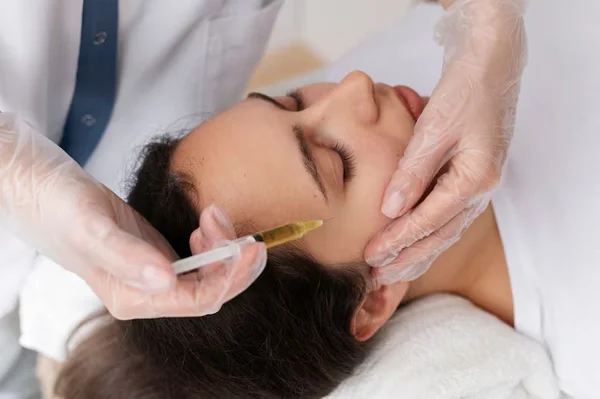
In aesthetic dermatology, exosome-based products are being investigated and used in some treatment settings with the aim of supporting skin rejuvenation. Depending on the product and protocol, they may be applied to the skin or used alongside procedures designed to enhance delivery into the skin.
It is important to distinguish cosmetic and aesthetic exosome products from established medical treatments. The evidence surrounding exosome-based aesthetic applications is still developing, and not every product marketed as an exosome treatment has the same composition, quality, or clinical evidence.
The proposed mechanism involves biological signalling between cells. Exosome preparations may contain signalling molecules and other components that can interact with cells within the treated tissue.
In aesthetic applications, this may be intended to support processes associated with skin repair and regeneration. The potential effects may include improvements in the appearance of skin texture, hydration, and overall skin quality.
However, outcomes depend on the product used, method of application, treatment protocol, individual skin condition, and other factors. Exosome treatment should therefore not be presented as a guaranteed method of reversing ageing or permanently repairing damaged skin.
Depending on the treatment protocol and product, exosome-based skin treatments may be considered for selected concerns such as:
The suitability of exosome treatment depends on the underlying skin concern. Conditions such as active acne, significant pigmentation, deep scarring, or inflammatory skin disorders may require other evidence-based dermatological treatments.
As skin ages, changes can occur in collagen production, elasticity, hydration, and overall skin texture. Environmental factors such as ultraviolet exposure, pollution, and lifestyle can also affect skin quality.
Exosome-based protocols are being explored as an additional approach to skin rejuvenation. The objective is generally to support the appearance and quality of the skin rather than dramatically alter facial structure.
For patients seeking comprehensive skin rejuvenation, exosomes may sometimes be discussed alongside established procedures such as laser treatments, microneedling, or other dermatological therapies when clinically appropriate.
A proper consultation is essential before Exosomes Treatment In Gurugram.
During assessment, the skin can be examined to determine the primary concern and whether exosome treatment is an appropriate option. Relevant medical history, previous procedures, medications, allergies, active skin conditions, and treatment expectations may also be discussed.
The consultation may cover:
A transparent discussion is particularly important with emerging aesthetic technologies because scientific evidence and product standards can vary.
The method of application depends on the specific product and clinical protocol.
In some aesthetic settings, exosome-based products are applied topically following procedures that create controlled microchannels in the skin, such as microneedling or certain laser treatments. These procedures can increase penetration of topical preparations.
The exact approach should depend on the product's intended use and the treating clinician's assessment.
The skin is generally cleaned and prepared before treatment. If another procedure is being used alongside the exosome product, that procedure is performed according to its own clinical protocol.
Treatment duration depends on the technique and the area being treated.
The goal of exosome-based aesthetic treatment is generally to improve aspects of skin quality rather than produce a dramatic transformation.
Depending on the treatment and individual response, patients may notice changes in:
Results are variable and may develop gradually. The evidence for many cosmetic applications of exosomes is still evolving, so outcomes should be discussed realistically rather than presented as guaranteed.
Some patients may require more than one treatment depending on their skin condition and the treatment protocol.
Recovery depends largely on the procedure used to deliver or apply the product.
When exosome products are used alongside procedures such as microneedling or laser treatment, patients may experience temporary redness, sensitivity, swelling, or mild irritation related to the underlying procedure.
After treatment, patients should follow the personalised aftercare instructions provided by their doctor. Depending on the procedure performed, this may include:
The expected recovery period should be discussed before treatment.
Safety depends on the source and formulation of the product, how it is manufactured and stored, how it is used, and the procedure through which it is delivered.
Patients should understand what product is being used and whether it is intended and authorised for the proposed application. Not all products marketed as exosomes have the same evidence or regulatory status.
Potential treatment-related effects may include redness, swelling, irritation, tenderness, or allergic or inflammatory reactions. There may also be risks associated with the accompanying procedure, such as microneedling or laser treatment.
A medical consultation is important before proceeding.
Exosome-based treatments are different from conventional cosmetic procedures such as dermal fillers, botulinum toxin, chemical peels, and laser treatments.
Dermal fillers primarily address volume and contour. Botulinum toxin is used to temporarily reduce muscle activity responsible for certain expression lines. Laser and energy-based treatments can target specific skin concerns depending on the technology used.
Exosome-based protocols are generally positioned around skin quality and regenerative signalling rather than facial volume or muscle movement.
The best treatment depends on the specific concern rather than the popularity of a particular procedure.
Exosome treatment may not be appropriate for everyone. Active skin infections, certain inflammatory conditions, allergies to components of the product, pregnancy or breastfeeding, or other medical circumstances may require postponement or avoidance.
The suitability of treatment should be determined after reviewing the individual's medical history and examining the skin.
Patients should also inform the doctor about previous aesthetic procedures and any medications or skincare products they are using.
A skin rejuvenation treatment should begin with an accurate understanding of the patient's actual skin concern. Dullness, dehydration, pigmentation, scarring, fine lines, and loss of elasticity can have different causes and may require different treatment approaches.
Dr. Mandeep Singh evaluates the patient's skin and aesthetic goals before recommending a treatment. At the Centre for Lasers, Cosmetic Surgery and Dermatology, patients can discuss emerging treatment options such as exosome-based procedures alongside established dermatological and aesthetic treatments.
This individualised approach helps determine whether Exosomes Treatment In Gurugram is appropriate for the patient's specific requirements.
Exosome-based products are being explored and used in some aesthetic settings to support skin quality, hydration, texture, and rejuvenation. Evidence and product quality can vary.
No. Exosomes are extracellular vesicles released by cells. They are not stem cells.
Exosome-based approaches are being investigated for skin rejuvenation and recovery, but acne scars often require a specific scar-treatment plan based on the type and depth of scarring.
There is no universal treatment schedule. The number of sessions depends on the product, application method, skin condition, and treatment goals.
Downtime depends on how the product is applied. When combined with microneedling or laser procedures, temporary redness, swelling, sensitivity, or irritation may occur.
No. Exosome-based aesthetic treatments should not be considered a permanent solution to skin ageing. Results vary and may require maintenance or other treatments.
Exosome-based aesthetic treatments are an emerging area of dermatology, with ongoing research into their potential applications. Proper product selection, clinical assessment, and realistic expectations are important before treatment.
For Exosomes Treatment In Gurugram, consult Dr. Mandeep Singh at the Centre for Lasers, Cosmetic Surgery and Dermatology to evaluate your skin concerns and discuss whether an exosome-based treatment or another established dermatological procedure is suitable for you.


