


| Category | Non Surgical Treatments |
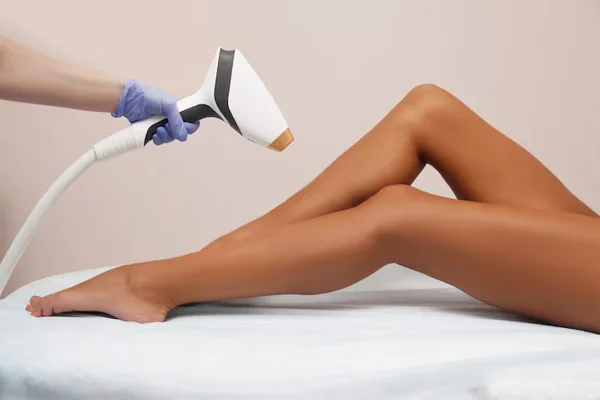
Laser hair removal is a cosmetic procedure that uses concentrated light energy to target hair follicles and reduce unwanted hair growth. It is commonly performed on areas such as the face, underarms, arms, legs, back, chest, and bikini area, depending on individual requirements and clinical suitability.
Unlike shaving or waxing, which remove visible hair temporarily, laser hair removal works by targeting the follicle responsible for hair growth. A course of treatments can lead to a significant and lasting reduction in hair growth, although it should not be considered a guaranteed method of permanent hair removal.
Laser Hair Removal In Gurugram can be planned according to the patient's skin type, hair colour, hair thickness, treatment area, and individual response. At the Centre for Lasers, Cosmetic Surgery and Dermatology, Dr. Mandeep Singh evaluates these factors before recommending an appropriate laser hair reduction approach.
Laser hair removal uses specific wavelengths of light that are absorbed primarily by the pigment in the hair. The absorbed energy is converted into heat, which can damage the targeted hair follicle and reduce its ability to produce hair.
Because hair follicles exist in different stages of the growth cycle, a single treatment cannot effectively target every follicle. Multiple sessions are therefore generally required to achieve meaningful hair reduction.
The technology and settings used should be selected according to the individual's skin and hair characteristics.
Laser hair removal relies on a process known as selective photothermolysis. The laser energy is absorbed by pigment within the hair, generating heat that is directed toward the follicle.
Hair in the active growth phase is generally more responsive to treatment. Since different follicles are active at different times, treatments are spaced apart to target additional follicles during subsequent growth cycles.
The amount of hair reduction varies between individuals. Factors such as hair colour, thickness, hormonal influences, skin type, treatment area, and laser technology can affect the outcome.
Laser hair removal can be considered for many areas of the body, including:
· Face
· Upper lip
· Chin
· Underarms
· Arms
· Legs
· Back
· Chest
· Abdomen
· Bikini area
The treatment plan can be customised according to the patient's concerns and the suitability of the selected area.
Facial hair, particularly when influenced by hormonal factors, may require a different treatment schedule from body hair and may need ongoing maintenance.
Laser hair removal may be suitable for adults who want to reduce unwanted hair growth and decrease their dependence on shaving, waxing, threading, or other temporary hair-removal methods.
It may be considered for people experiencing:
· Frequent unwanted facial hair
· Unwanted body hair
· Rapid hair regrowth after shaving
· Skin irritation associated with frequent shaving
· Recurrent problems associated with waxing or other hair-removal methods
A consultation is useful because the response to laser treatment depends significantly on the contrast between the hair pigment and surrounding skin.
Laser hair removal does not work equally well on every hair type.
Darker, thicker hair generally contains more pigment and may respond more readily to laser energy. Very light blonde, grey, or white hair may respond poorly because there is less pigment for the laser to target.
For darker skin types, appropriate laser technology and carefully selected settings are particularly important to reduce the risk of unwanted pigmentation or burns.
A professional assessment helps determine the appropriate treatment approach based on the individual's skin tone and hair characteristics.
A consultation is an important part of Laser Hair Removal In Gurugram. The skin and hair in the proposed treatment area can be assessed before treatment begins.
The discussion may include:
· Hair colour and thickness
· Skin type and tone
· Treatment area
· Previous hair-removal methods
· Existing skin conditions
· Medications and relevant medical history
· Hormonal factors where relevant
· Expected level of hair reduction
· Number of sessions likely to be required
· Potential side effects and precautions
Patients should also inform the doctor about recent tanning, active skin irritation, or previous cosmetic procedures in the treatment area.
Before treatment, the area is cleaned and prepared. The hair may need to be trimmed or shaved according to the laser system and treatment protocol.
During the procedure, the laser device delivers controlled pulses of light to the selected area. A cooling mechanism may be incorporated into the device or used separately to help protect the skin and improve comfort.
Patients may experience a warm or snapping sensation during individual pulses. The sensation varies according to the treatment area, hair thickness, laser technology, and individual sensitivity.
The duration of the procedure depends on the size of the area being treated.
Multiple treatment sessions are generally necessary because hair follicles respond best when they are in particular stages of the growth cycle.
The exact number of sessions varies depending on:
· Treatment area
· Hair density
· Hair thickness
· Hair colour
· Skin type
· Hormonal influences
· Individual response to treatment
After an initial series, some patients may require maintenance sessions because new hair growth can occur over time.
Laser hair removal is intended to provide long-term reduction in hair growth, rather than guarantee complete permanent removal of every hair.
Following a series of treatments, hair may become less dense, finer, and slower to grow. The extent of reduction varies from person to person.
Some areas may respond more quickly than others. Facial hair can be particularly influenced by hormones, meaning maintenance treatment may sometimes be necessary.
Results should be assessed over the course of treatment rather than judged immediately after a single session.
Laser hair removal generally requires little downtime. Mild redness, warmth, swelling around individual follicles, or temporary sensitivity may occur following treatment.
These effects commonly settle as the skin recovers.
After treatment, patients may be advised to:
· Protect the treated area from excessive sun exposure
· Use sunscreen as recommended
· Avoid unnecessary rubbing or irritation
· Follow the prescribed skincare routine
· Avoid waxing or plucking between sessions if advised, as these methods remove the follicle that the laser needs to target
Specific aftercare instructions may vary depending on the treatment area and laser system.
Laser hair removal is generally well tolerated when performed appropriately, but side effects can occur.
Temporary effects may include redness, swelling around the hair follicles, tenderness, or mild discomfort. Changes in skin pigmentation can occur, particularly when the skin has been recently exposed to the sun or when inappropriate laser settings are used.
Less common complications can include burns, blistering, scarring, or prolonged pigmentation changes.
Proper patient assessment, appropriate laser selection, calibrated settings, cooling, and experienced clinical supervision are important for reducing avoidable complications.
Shaving cuts hair at the skin surface and usually needs to be repeated frequently. Waxing removes the hair from the root but does not permanently reduce the follicle's ability to produce hair.
Laser hair removal works differently by targeting the follicle itself. A course of treatments can provide longer-lasting hair reduction compared with these temporary methods.
However, laser treatment requires multiple sessions and may not completely eliminate all hair. Some individuals may still need occasional maintenance treatments.
Laser hair removal requires more than simply selecting a laser device. Skin type, hair characteristics, treatment area, laser wavelength, energy settings, cooling, and treatment intervals all influence both safety and results.
Dr. Mandeep Singh evaluates these factors when planning aesthetic and dermatological treatments. At the Centre for Lasers, Cosmetic Surgery and Dermatology, treatment can be tailored according to individual skin and hair characteristics rather than following a uniform protocol for every patient.
A consultation can help determine whether Laser Hair Removal In Gurugram is suitable and what treatment approach may be appropriate.
Laser hair removal is better described as long-term hair reduction rather than guaranteed permanent removal. Hair growth can return, and maintenance treatments may be required.
The number varies according to the treatment area, hair characteristics, skin type, hormonal factors, and individual response. Multiple sessions are generally required.
Yes, selected facial areas such as the upper lip and chin can be treated when clinically appropriate. Facial hair may require maintenance because hormonal factors can influence regrowth.
Laser treatment generally works less effectively on grey, white, and very light hair because these hairs contain little pigment for the laser to target.
Waxing and plucking remove hair from the follicle and may interfere with laser treatment. Patients are generally advised to follow the hair-removal instructions provided by their treating clinician.
Laser hair removal can be performed on darker skin when an appropriate laser system and carefully selected settings are used. A professional skin assessment is important to minimise the risk of pigmentation changes or burns.
Laser hair removal can provide a convenient long-term reduction in unwanted hair when treatment is planned according to the individual's skin and hair characteristics. Multiple sessions are generally required, and the final response varies between patients.
For Laser Hair Removal In Gurugram, consult Dr. Mandeep Singh at the Centre for Lasers, Cosmetic Surgery and Dermatology for a personalised assessment and treatment plan


