


| Category | Dermatology Treatments |
Fractional CO2 laser treatment is an advanced skin resurfacing procedure used to improve selected concerns related to skin texture, acne scars, fine lines, pigmentation, enlarged pores, and signs of photoaging. The treatment uses controlled laser energy to create microscopic treatment zones in the skin while leaving surrounding areas relatively unaffected. This stimulates the skin's natural healing response and supports the formation of new collagen.
Fractional CO2 Laser Treatment In Gurugram can be customised according to the patient's skin condition, treatment goals, skin type, and the area being treated. At the Centre for Lasers, Cosmetic Surgery and Dermatology, Dr. Mandeep Singh assesses the skin before determining whether fractional CO2 laser resurfacing is appropriate.
Fractional CO2 laser treatment is a form of ablative fractional laser resurfacing. Carbon dioxide laser energy is delivered to selected microscopic areas of the skin, creating controlled columns of thermal injury.
Because only a fraction of the skin surface is treated during each pass, untreated surrounding tissue can support the healing process. The controlled injury also encourages the body's natural wound-healing response, including collagen remodelling.
The treatment depth and intensity can be adjusted depending on the concern being addressed. More superficial treatment may be considered for certain texture concerns, while deeper resurfacing may be required for selected scars or more pronounced skin changes.
Fractional CO2 laser resurfacing may be considered for several skin concerns, including:
Not every skin concern responds equally to laser resurfacing. During consultation, the skin condition is assessed to determine whether fractional CO2 laser treatment is an appropriate option.
The laser delivers controlled energy into microscopic areas of the skin. Depending on the selected settings, the energy removes or thermally affects targeted skin tissue and stimulates the healing process.
As the skin repairs itself, collagen production and tissue remodelling can contribute to gradual improvement in texture and firmness.
The results do not usually appear immediately. Skin healing occurs over time, followed by progressive collagen remodelling. Multiple treatments may sometimes be recommended depending on the depth and severity of the concern.
Acne scars can remain visible long after active acne has settled. Their appearance varies considerably, with different scar types requiring different treatment approaches.
Fractional CO2 laser resurfacing may help improve the appearance of selected atrophic acne scars by stimulating collagen remodelling and resurfacing irregular skin.
However, acne scar treatment often requires a personalised approach. Some scars may respond better to procedures other than, or in combination with, fractional laser treatment.
The scar type, depth, skin condition, and previous treatments are therefore important considerations before treatment.
With age and cumulative sun exposure, collagen production gradually changes and the skin may develop fine lines, uneven texture, enlarged pores, and a dull appearance.
Fractional CO2 laser resurfacing can stimulate collagen remodelling and improve the overall texture of selected areas of the skin.
The treatment is not intended to stop the natural ageing process. Instead, it can help address certain visible signs of skin ageing by encouraging controlled renewal and remodelling.
A detailed consultation is important before undergoing Fractional CO2 Laser Treatment In Gurugram.
The skin may be evaluated for:
A personalised treatment plan can then be developed based on the patient's skin and treatment objectives.
The skin is cleaned and prepared before the procedure. Depending on the treatment area and intensity, a topical or other form of local anaesthesia may be used to improve comfort.
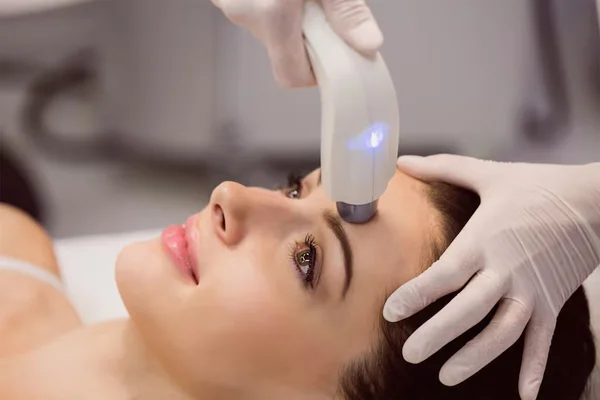
The fractional CO2 laser device is then applied systematically to the selected area. Controlled laser energy creates microscopic treatment zones within the skin.
The duration depends on the size of the area, treatment intensity, and the concerns being addressed.
Following treatment, the skin may appear red and feel warm or sensitive. The intensity of these effects depends on the treatment settings and individual response.
Fractional CO2 laser treatment involves a recovery period because it creates controlled injury to the skin.
Depending on treatment intensity, patients may experience:
The skin gradually heals and renews itself. Collagen remodelling continues after the initial healing period, so improvement may become more noticeable over the following weeks and months.
The number of fractional CO2 laser sessions depends on the condition being treated and the desired level of improvement.
Some patients may notice meaningful improvement after one treatment, while others may require a series of sessions. Acne scars, for example, can require multiple treatment approaches and sessions depending on their depth and type.
The appropriate interval between treatments is determined according to the treatment intensity and how the skin heals.
After Fractional CO2 Laser Treatment In Gurugram, proper aftercare is important for supporting skin recovery and reducing the risk of complications.
Patients may be advised to:
The exact recovery period varies according to the depth and intensity of treatment.
Fractional CO2 laser treatment is a medical procedure and can have side effects.
Temporary redness, swelling, sensitivity, dryness, peeling, and changes in skin colour can occur during recovery. Some patients, particularly those with darker skin tones, may have a greater risk of post-inflammatory pigmentation changes.
Less commonly, complications such as infection, prolonged pigmentation changes, scarring, or delayed healing can occur.
Appropriate patient selection, suitable laser settings, careful treatment technique, and proper aftercare are important for reducing these risks.
Fractional CO2 laser treatment requires particular care in individuals with darker skin tones because ablative laser procedures can carry a higher risk of post-inflammatory pigmentation.
This does not automatically mean that treatment is unsuitable. The decision depends on the patient's skin characteristics, concern, medical history, and the treatment approach considered appropriate by the treating doctor.
A skin assessment should be performed before treatment rather than selecting laser settings solely based on the condition being treated.
Fractional CO2 laser treatment is different from non-ablative lasers, chemical peels, and superficial skin treatments because it can provide more intensive resurfacing.
The appropriate procedure depends on the concern and the patient's skin characteristics.
For mild texture concerns, a less intensive treatment may sometimes be sufficient. More established scars or significant textural irregularities may require a stronger resurfacing approach.
A consultation helps determine which treatment is appropriate rather than assuming that the most intensive procedure will always provide the best outcome.
Laser resurfacing requires careful assessment and personalised treatment planning. Skin type, scar characteristics, treatment depth, laser settings, recovery expectations, and aftercare all influence the overall treatment experience.
Dr. Mandeep Singh provides aesthetic and dermatological care at the Centre for Lasers, Cosmetic Surgery and Dermatology, with treatment planning based on individual skin concerns.
For Fractional CO2 Laser Treatment In Gurugram, a consultation can help determine whether fractional resurfacing is suitable and what level of treatment may be appropriate.
Some discomfort, warmth, or a stinging sensation may be experienced during treatment. Anaesthesia or other comfort measures may be used depending on the treatment area and intensity.
Recovery varies according to the treatment intensity and individual healing response. Redness, sensitivity, dryness, and peeling may occur during the initial recovery period.
No laser treatment can guarantee complete removal of acne scars. Fractional CO2 laser may improve the appearance and texture of selected scars, but the degree of improvement varies.
Some patients may see improvement after one session, while others require multiple treatments. The number depends on the skin concern, scar depth, treatment intensity, and individual response.
It may be considered for selected pigmentation concerns, but pigmentation treatment requires careful assessment because laser resurfacing can itself cause temporary or prolonged pigmentation changes in some individuals.
Initial changes occur as the skin heals, while collagen remodelling continues gradually. Improvements in texture and appearance may therefore become more noticeable over the weeks and months following treatment.
Fractional CO2 laser resurfacing can be a useful option for selected acne scars, uneven texture, fine lines, enlarged pores, and other skin concerns. Because it is an intensive resurfacing procedure, proper assessment and aftercare are essential.
For Fractional CO2 Laser Treatment In Gurugram, consult Dr. Mandeep Singh at the Centre for Lasers, Cosmetic Surgery and Dermatology for an individual skin assessment and personalised treatment plan.


