


| Category | Dermatology Treatments |
Chemical peels are non-surgical skin treatments that use carefully selected chemical solutions to exfoliate the outer layers of the skin. By promoting controlled exfoliation and skin renewal, chemical peels can help improve the appearance of selected concerns such as pigmentation, uneven skin tone, mild acne, post-acne marks, and rough or dull-looking skin.
The type and strength of peel are selected according to the individual's skin condition, skin type, treatment area, and desired outcome. Chemical Peels Treatment In Gurugram should be performed following a proper skin assessment to determine which formulation and treatment approach are appropriate.
At the Centre for Lasers, Cosmetic Surgery and Dermatology, Dr. Mandeep Singh evaluates the skin before recommending a suitable chemical peel treatment.
A chemical peel involves applying a controlled chemical solution to the skin for a specific period. The solution causes exfoliation of the targeted skin layers, after which the skin gradually sheds and renews itself.
Different types of chemical peels vary in their ingredients, concentration, depth of action, and intended use. Some are designed for superficial exfoliation, while others penetrate more deeply and require greater recovery time.
The choice of peel should not be based solely on the skin concern. Skin sensitivity, pigmentation tendency, active skin conditions, previous treatments, and overall skin health are also important considerations.
Chemical peels may be considered for a range of cosmetic and dermatological skin concerns, including:
· Uneven skin tone
· Selected pigmentation concerns
· Dull-looking skin
· Mild acne
· Post-acne marks
· Rough skin texture
· Certain superficial blemishes
· Fine lines
· Sun-related skin changes
The expected improvement depends on the specific condition and depth of treatment. Chemical peels are not suitable for every type of pigmentation, acne, scar, or skin condition.
Chemical peel solutions act on the skin's surface and, depending on their formulation and concentration, may reach different depths within the skin.
Controlled exfoliation removes damaged or unwanted surface cells and encourages the skin renewal process. As the treated skin heals, the appearance of texture and tone may gradually improve.
Some peels may also have effects that are useful for acne-prone skin or pigmentation, depending on the active ingredient used.
The treatment should always be selected according to the patient's individual skin characteristics rather than applying the same peel to every patient.
Different chemical agents can be used for different treatment objectives. Common peel ingredients include alpha hydroxy acids, beta hydroxy acids, and other professionally selected chemical formulations.
The depth of the peel can broadly be considered as:
Superficial peels affect the outermost layers of the skin and are generally used for concerns such as mild uneven tone, dullness, and superficial texture irregularities.
Medium-depth peels penetrate further into the skin and may be considered for selected pigmentation, texture concerns, and other indications. They usually involve a more noticeable recovery period than superficial peels.
Deep chemical peels affect deeper layers of the skin and are associated with greater recovery requirements and a higher potential for complications. They are used selectively under appropriate medical supervision.
The appropriate depth depends on the condition being treated and the patient's skin characteristics.
Uneven pigmentation can develop due to sun exposure, acne, inflammation, hormonal influences, and other factors.
Selected chemical peels can help exfoliate pigmented surface cells and improve overall skin tone. However, pigmentation disorders require careful assessment because treating the wrong type of pigmentation with an inappropriate peel can lead to irritation or worsening pigmentation.
People prone to post-inflammatory hyperpigmentation may require particularly careful treatment planning.
Certain chemical peel formulations may be useful for people with mild acne or oily, congested skin.
Depending on the formulation, a peel may help remove excess surface buildup and improve the appearance of clogged pores. It may also complement an overall acne management plan.
Chemical peels are not a substitute for medical acne treatment when significant, inflammatory, or persistent acne is present. The underlying cause and severity of acne should be evaluated before choosing a procedure.
Post-acne marks can remain after active acne has healed. Selected superficial peels may help improve the appearance of certain superficial marks and uneven skin tone by encouraging controlled exfoliation.
It is important to distinguish pigmentation from true acne scars. Depressed or raised scars involve changes in the skin's structure and may require other treatments such as laser resurfacing or other procedures.
A consultation is an important step before Chemical Peels Treatment In Gurugram.
The skin may be assessed for:
· Skin type and tone
· Primary concern
· Pigmentation pattern
· Acne activity
· Skin sensitivity
· Existing irritation or inflammation
· Previous cosmetic procedures
· Current skincare products
· History of pigmentation changes
· Relevant medications or medical conditions
This assessment helps determine whether a chemical peel is suitable and what type of treatment may be appropriate.
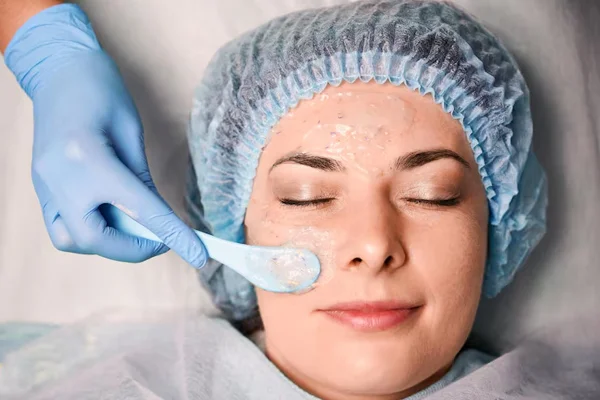
Before the procedure, the skin is cleansed and prepared. The selected chemical solution is then carefully applied to the treatment area.
The patient may experience temporary tingling, warmth, or mild stinging depending on the formulation and concentration. The solution is left on the skin according to the treatment protocol and then neutralised or removed when required.
The skin may appear slightly red or sensitive immediately after treatment. Depending on the peel depth, peeling or flaking may develop during the following days.
Results vary depending on the type of peel, the skin concern being treated, and the individual's response.
After the skin completes its renewal process, patients may notice:
· A more even-looking skin tone
· Improved skin smoothness
· Reduced appearance of superficial pigmentation
· A fresher-looking complexion
· Improvement in mild surface irregularities
Chemical peels do not permanently eliminate ageing, pigmentation, or acne. Maintenance treatments and an appropriate skincare routine may be recommended depending on the individual's concerns.
Some patients may notice improvement after a single treatment, while others may benefit from a series of peels.
The number and frequency of sessions depend on:
· Type of peel
· Skin condition
· Treatment objective
· Skin sensitivity
· Previous response
· Recovery after each treatment
Repeated treatments should be performed at appropriate intervals to allow the skin to recover.
Recovery depends largely on the depth and formulation of the chemical peel.
After treatment, patients may experience temporary redness, dryness, tightness, sensitivity, or peeling. Mild superficial peels may have minimal downtime, while stronger peels can require a longer recovery period.
Aftercare may include:
· Protecting the skin from excessive sun exposure
· Using sunscreen as recommended
· Keeping the skin adequately moisturised
· Avoiding picking or peeling the skin
· Avoiding harsh exfoliation during recovery
· Following the recommended skincare routine
· Temporarily avoiding products that may irritate the treated skin
The exact aftercare plan should be followed according to the peel performed.
Chemical peels are generally well tolerated when appropriately selected and performed, but side effects can occur.
Temporary redness, dryness, burning, irritation, peeling, or sensitivity are possible. Changes in pigmentation may also occur, particularly in individuals prone to post-inflammatory pigmentation or following excessive sun exposure.
Inappropriate peel selection or excessive treatment strength can increase the risk of burns, prolonged irritation, scarring, or pigmentary changes.
Professional assessment is therefore important before treatment.
Chemical peels are not appropriate for everyone at every stage. Treatment may need to be postponed or avoided in certain situations, including active skin infections, significant irritation, open wounds, or certain skin conditions.
Recent procedures, medication use, a tendency toward abnormal scarring, and a history of pigmentation problems may also influence treatment planning.
A medical consultation allows these factors to be considered before proceeding.
Chemical peels are one of several options available for improving skin texture and appearance.
Depending on the concern, alternatives may include laser treatments, hydrafacials, topical skincare, or other dermatological procedures. Chemical peels may be useful for selected superficial concerns, while deeper scars or more established textural changes may require a different treatment approach.
The best procedure depends on the underlying skin concern rather than simply choosing the most intensive treatment.
Successful chemical peel treatment depends on selecting an appropriate formulation, concentration, treatment depth, and interval according to the patient's skin.
Dr. Mandeep Singh provides aesthetic and dermatological care at the Centre for Lasers, Cosmetic Surgery and Dermatology. Treatment planning is based on individual skin characteristics and the specific concern being addressed.
For Chemical Peels Treatment In Gurugram, a consultation can help determine whether a chemical peel is appropriate and which treatment approach may be suitable.
Not every peel is suitable for every skin type. People with darker skin tones or a tendency toward pigmentation changes may require particularly careful peel selection and treatment planning.
Chemical peels can improve the appearance of selected pigmentation concerns, but they do not permanently prevent pigmentation from returning. Sun exposure, hormonal factors, inflammation, and other causes can contribute to recurrence.
The duration varies according to the type and depth of the peel. Superficial treatments may cause limited flaking, while stronger peels can produce more noticeable peeling and a longer recovery period.
Selected chemical peels may help with mild acne and congested skin. However, persistent or severe acne may require a comprehensive medical treatment plan.
The number varies according to the skin concern and the type of peel. Some patients may benefit from one treatment, while others may require a planned series.
Some skincare products may need to be temporarily avoided because they can irritate freshly treated skin. The appropriate post-peel skincare routine should be followed according to the treatment performed.
Chemical peels can provide controlled exfoliation and skin renewal for selected pigmentation, acne, texture, and skin rejuvenation concerns. Proper skin assessment is essential for choosing the right peel and reducing the risk of irritation or pigmentation changes.
For Chemical Peels Treatment In Gurugram, consult Dr. Mandeep Singh at the Centre for Lasers, Cosmetic Surgery and Dermatology for a personalised skin assessment and treatment plan


