


| Category | Dermatology Treatments |
Hydrafacial is a non-invasive facial treatment designed to cleanse, exfoliate, and hydrate the skin while addressing selected concerns such as dullness, dehydration, clogged pores, uneven texture, and superficial skin impurities. The procedure combines several skincare steps into a single treatment and can be customised according to the individual's skin condition.
Unlike more intensive resurfacing procedures, Hydrafacial is generally gentle and does not involve significant downtime. It can be considered as part of a professional skincare and skin-rejuvenation routine.
Hydrafacials In Gurugram are planned according to skin type, sensitivity, concerns, and treatment goals. At the Centre for Lasers, Cosmetic Surgery and Dermatology, Dr. Mandeep Singh assesses the skin before recommending an appropriate facial treatment approach.
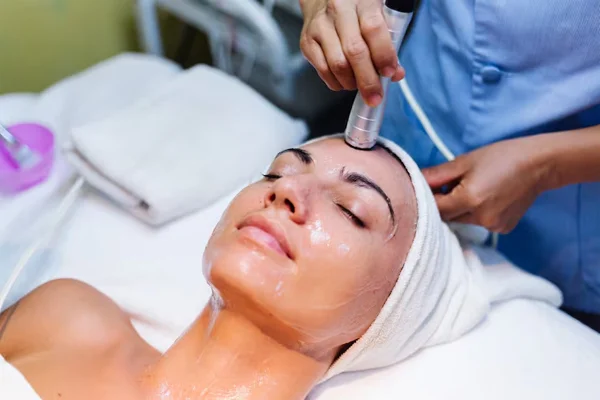
A Hydrafacial is a multi-step facial treatment that uses specialised technology to cleanse the skin, remove surface buildup, provide exfoliation, extract impurities, and deliver hydrating or nourishing solutions.
The treatment is performed without needles or surgical incisions. Depending on the selected protocol, different solutions and treatment steps may be incorporated to address specific skin concerns.
The aim is to improve the overall appearance and feel of the skin while supporting hydration and surface renewal.
A typical Hydrafacial treatment involves several stages.
The skin is first cleansed to remove surface impurities, excess oil, and makeup residue. Gentle exfoliation helps remove dead skin cells and surface buildup.
A specialised suction-based system can help remove debris and impurities from pores. This step may be useful for people experiencing congestion or blackheads.
Hydrating solutions are applied to the skin to support moisture levels and leave the skin feeling smoother and refreshed.
Depending on the individual's skin requirements, selected serums or treatment solutions may be incorporated into the procedure.
The exact treatment protocol can vary according to the skin's condition and the approach selected by the treating professional.
Hydrafacial may be considered for several superficial skin concerns, including:
Hydrafacial is primarily a surface-level skin treatment. More significant acne scars, deep pigmentation, pronounced wrinkles, or other structural skin concerns may require different procedures.
Dehydrated skin can appear dull, tight, rough, or less radiant. Environmental exposure, weather changes, cleansing habits, and skincare routines can all influence skin hydration.
Hydrafacial incorporates hydrating solutions into the treatment process, which can temporarily improve the skin's hydrated appearance and feel.
Maintaining the results also depends on regular skincare, adequate moisturisation, sun protection, and addressing factors that contribute to dryness.
Oil, dead skin cells, and other surface debris can contribute to clogged or congested pores.
The cleansing, exfoliation, and extraction components of Hydrafacial can help remove some of this buildup. This can leave the skin feeling cleaner and smoother.
However, people with persistent or inflammatory acne may need a medical acne assessment rather than relying solely on facial treatments.
Accumulation of dead skin cells can contribute to a dull or uneven-looking complexion. Controlled exfoliation helps remove some of this surface buildup.
Following treatment, the skin may appear fresher and more radiant. The effect is generally associated with improved surface smoothness and hydration rather than a permanent change in skin structure.
For deeper pigmentation or significant texture irregularities, other dermatological treatments may be more appropriate.
Although Hydrafacial is a non-invasive procedure, a skin assessment is useful before treatment.
During consultation, factors such as the following may be considered:
This helps determine whether Hydrafacial is appropriate and which treatment steps should be included or avoided.
The treatment begins with cleansing and preparing the skin. A specialised handpiece is then used to perform the selected cleansing and exfoliation steps.
The device can use controlled suction during the extraction stage to help remove impurities from pores. Hydrating and nourishing solutions are subsequently applied.
The procedure is generally comfortable, although some patients may notice mild suction or a light tingling sensation during certain stages.
Treatment time depends on the selected protocol and the area being treated.
After a Hydrafacial, the skin may feel:
The visible effect can vary according to the individual's skin condition and the treatment protocol used.
Hydrafacial does not permanently eliminate pores, pigmentation, acne, or signs of ageing. Continued skin maintenance may be required to preserve the appearance achieved through treatment.
The frequency of Hydrafacial treatments depends on the individual's skin condition, treatment goals, and response.
Some people may choose periodic treatments as part of their skincare routine, while others may require treatment only before specific occasions or when their skin needs additional professional care.
A personalised schedule is preferable to performing treatments too frequently, particularly for sensitive or reactive skin.
One of the advantages of Hydrafacial is that it generally involves little to no significant downtime.
Mild temporary redness or sensitivity may occur in some individuals, particularly after extraction. These effects generally settle relatively quickly.
Patients may usually return to normal activities after treatment, although the exact aftercare recommendations depend on the individual's skin and the treatment performed.
After Hydrafacials In Gurugram, appropriate skincare can help maintain the treatment's benefits.
Patients may be advised to:
The appropriate aftercare routine may vary according to skin sensitivity and any additional products or procedures used during treatment.
Hydrafacial is generally well tolerated, but temporary effects can occur.
These may include:
People with highly sensitive skin or active inflammatory skin conditions may require a modified treatment approach.
A consultation helps identify situations in which certain treatment steps should be avoided or postponed.
Hydrafacial and chemical peels are both used to improve the appearance of the skin, but they work differently.
A chemical peel uses a selected chemical solution to produce controlled exfoliation at a particular depth. Hydrafacial combines cleansing, exfoliation, extraction, and hydration using a specialised device.
The appropriate option depends on the individual's skin concern. Hydrafacial may be suitable for surface-level cleansing and hydration, while selected chemical peels may be considered for certain pigmentation, acne, or texture concerns.
Laser treatments can address specific skin concerns by delivering controlled energy to targeted skin structures. Depending on the laser, treatment may be used for pigmentation, scars, resurfacing, hair reduction, or other indications.
Hydrafacial is considerably less intensive and primarily focuses on cleansing, exfoliation, extraction, and hydration.
Therefore, these treatments are not necessarily alternatives for the same concerns. A skin assessment can help determine which approach is appropriate.
Hydrafacial may be considered by individuals who want professional skin cleansing and hydration without significant downtime.
It may be useful for people concerned about:
Treatment suitability should still be assessed individually, particularly for people with active skin disorders or significant sensitivity.
Professional skin assessment is important even for non-invasive aesthetic procedures. The treatment should be selected according to the patient's skin condition rather than using an identical protocol for everyone.
Dr. Mandeep Singh provides aesthetic and dermatological care at the Centre for Lasers, Cosmetic Surgery and Dermatology. Hydrafacial treatment can be planned according to individual skin characteristics and concerns.
For Hydrafacials In Gurugram, a consultation can help determine whether the procedure is suitable and how it can fit into an overall skincare plan.
Hydrafacial is generally comfortable. Patients may experience mild suction, pressure, or tingling during certain stages of treatment.
Most people experience little to no significant downtime. Mild redness or sensitivity can occur temporarily.
The cleansing, exfoliation, and extraction stages may help remove surface impurities and some pore congestion, including blackheads.
Treatment frequency depends on skin type, skin concerns, and individual response. A personalised schedule can be recommended after assessment.
Hydrafacial is not primarily a treatment for deep or structural acne scars. More established scars may require procedures such as laser resurfacing or other dermatological treatments.
It may be suitable for some people with sensitive skin, but the treatment protocol may need modification. A skin assessment is recommended before proceeding.
Hydrafacial offers a non-invasive approach to professional cleansing, exfoliation, extraction, and hydration. It can be considered for selected concerns involving dullness, dehydration, congestion, and uneven surface texture.
For Hydrafacials In Gurugram, consult Dr. Mandeep Singh at the Centre for Lasers, Cosmetic Surgery and Dermatology for a personalised assessment and suitable treatment plan.


