


| Category | Dermatology Treatments |
Q Switch laser treatment is a non-invasive dermatological procedure that uses short, high-energy pulses of laser light to target selected pigmentation and unwanted pigment deposits in the skin. It is commonly considered for concerns such as pigmentation, uneven skin tone, selected dark spots, and certain tattoo-related pigment concerns.
A Q Switch laser can deliver energy in very short pulses, allowing the laser to interact with pigment while limiting unnecessary exposure of surrounding skin. The treatment parameters are selected according to the patient's skin type, pigmentation pattern, treatment area, and specific concern.
Q Switch Lasers Treatment In Gurugram should be planned after a professional skin assessment. At the Centre for Lasers, Cosmetic Surgery and Dermatology, Dr. Mandeep Singh evaluates the skin condition and determines whether Q Switch laser treatment is an appropriate option.
Q Switch lasers are specialised laser systems designed to deliver high-energy light pulses over an extremely short duration. This allows the energy to target pigment within the skin.
Depending on the laser wavelength and treatment settings, Q Switch technology can be used for different pigment-related concerns. The energy interacts with targeted pigment, which can then be gradually cleared or processed by the body's natural mechanisms.
The treatment is not suitable for every type of pigmentation. Identifying the underlying cause and type of pigmentation is an important part of treatment planning.
Q Switch laser treatment may be considered for selected concerns such as:
The suitability of treatment depends on the specific type and depth of pigmentation. Some pigmentation disorders can worsen with inappropriate laser treatment, making professional assessment particularly important.
Pigmentation can develop for many reasons, including sun exposure, inflammation, hormonal influences, ageing, and certain skin conditions.
Q Switch laser treatment can target pigment in selected cases and may help reduce the appearance of certain dark spots or uneven pigmentation.
However, pigmentation treatment should address both the visible pigment and the factors contributing to its development. Sun protection and appropriate skincare are important components of maintaining results.
Not every pigmentation concern should be treated with a laser, and a diagnosis may be required before proceeding.
A carbon peel is a laser-assisted facial treatment that commonly involves applying a carbon-based preparation to the skin before using a suitable laser to target the preparation and surface impurities.
It is often used as a cosmetic treatment for oily or congested skin and may help improve the appearance of pores, surface texture, and skin radiance.
The carbon peel approach is different from deeper laser resurfacing procedures. It generally provides a less intensive treatment and may have minimal downtime.
Q Switch laser technology may be used as part of a carbon peel protocol. The carbon preparation can help absorb laser energy, allowing the treatment to interact with surface oil and debris.
Following treatment, the skin may appear cleaner and temporarily more radiant. Some people may also notice an improvement in the appearance of pores and surface texture.
Carbon peel treatment is not a replacement for medical acne treatment and does not permanently remove enlarged pores or deep acne scars.
The laser delivers short pulses of energy to the selected treatment area. The energy is absorbed by targeted pigment, where it can cause controlled disruption of pigment particles.
The body's natural processes then gradually clear or process the affected pigment.
The response depends on the type of pigment, its depth within the skin, skin tone, laser wavelength, energy settings, and individual healing response.
Multiple sessions may be recommended when the pigmentation is persistent or covers a larger area.
A detailed skin assessment is important before Q Switch Lasers Treatment In Gurugram.
The consultation may consider:
This helps determine whether laser treatment is appropriate and what treatment settings may be suitable.
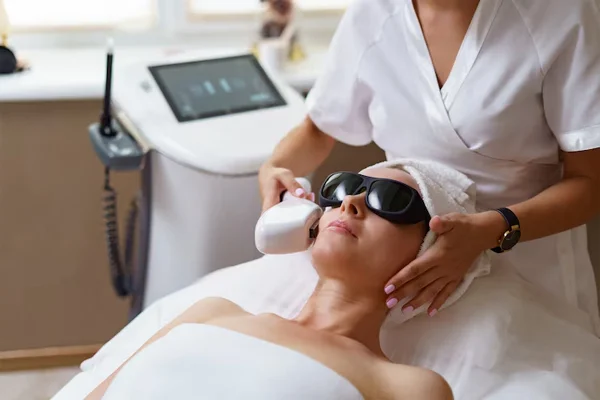
The treatment area is cleansed and prepared before the procedure. Protective measures are used as appropriate, particularly for the eyes during facial laser procedures.
The Q Switch laser is then directed over the selected area. Short pulses of laser energy are delivered to the targeted pigmentation.
Some patients may experience a snapping or stinging sensation during the procedure. The level of discomfort varies according to the treatment area, laser settings, and individual sensitivity.
The treatment duration depends on the size of the area and the concern being addressed.
The results of Q Switch laser treatment vary between patients and depend heavily on the type of pigmentation being treated.
Following appropriate treatment, selected pigmentation may become lighter or less noticeable over time. Some concerns may require several sessions rather than responding completely after one treatment.
For carbon peel treatments, the immediate cosmetic effect may include a fresher-looking and smoother complexion.
Results should be evaluated gradually, as pigment clearance and skin recovery occur over time.
There is no single number of sessions suitable for everyone.
The treatment plan may depend on:
A series of treatments may be recommended when clinically appropriate, with sufficient intervals between sessions to allow the skin to recover.
Q Switch laser treatment generally involves limited downtime, although temporary skin changes can occur.
Depending on the treatment performed, patients may notice mild redness, sensitivity, temporary swelling, or temporary darkening or lightening of the treated area.
Following a carbon peel, recovery is generally shorter and the skin may return to normal activities quickly, although individual responses vary.
Aftercare instructions should be followed carefully to support recovery.
After Q Switch Lasers Treatment In Gurugram, protecting the treated skin from sunlight is particularly important.
Patients may be advised to:
Sun protection is especially important for individuals who are prone to pigmentation.
Q Switch laser treatment is generally considered a well-tolerated procedure when appropriately selected and performed, but side effects are possible.
Temporary redness, swelling, sensitivity, crusting, or changes in pigmentation may occur. In some individuals, particularly those prone to post-inflammatory hyperpigmentation, laser treatment can cause temporary or prolonged darkening of the skin.
Rarely, burns, scarring, infection, or persistent pigmentary changes can occur.
Appropriate laser selection, conservative treatment planning, suitable settings, and professional supervision can help reduce these risks.
Skin tone is an important consideration when planning Q Switch laser treatment.
People with darker skin may have a greater risk of pigmentary changes after certain laser procedures. Therefore, laser wavelength, energy, pulse characteristics, treatment intervals, and aftercare need to be considered carefully.
A personalised assessment is preferable to using the same settings for every patient.
Both Q Switch lasers and chemical peels can be used for selected pigmentation and skin rejuvenation concerns, but they work differently.
Chemical peels use a chemical solution to produce controlled exfoliation of the skin. Q Switch lasers deliver short pulses of laser energy to interact with targeted pigment.
The appropriate treatment depends on the type of pigmentation, skin type, depth of the concern, and individual treatment goals.
In some cases, different treatment approaches may be considered as part of a broader skin-management plan.
A Q Switch laser can be used specifically to target selected pigmentation, while a carbon peel uses a carbon preparation as part of a laser-assisted superficial skin treatment.
Carbon peel treatments are commonly aimed at improving surface appearance, oiliness, congestion, and radiance. Direct pigment-targeting laser treatment may be considered when the primary concern is a suitable form of pigmentation.
The two approaches therefore have different treatment objectives and should not be considered interchangeable.
Laser-based pigmentation treatment requires appropriate diagnosis, patient selection, laser selection, and treatment settings.
Dr. Mandeep Singh provides aesthetic and dermatological care at the Centre for Lasers, Cosmetic Surgery and Dermatology. Treatment planning can be tailored according to the patient's skin characteristics and the specific concern being addressed.
For Q Switch Lasers Treatment In Gurugram, a consultation can help determine whether Q Switch laser treatment or a carbon peel approach is appropriate.
Q Switch lasers may be used for selected pigmentation concerns, dark spots, freckles, certain pigmented lesions, and some tattoo pigments. The exact indication depends on the individual's skin condition.
Patients may experience mild stinging or a snapping sensation during laser pulses. The level of discomfort varies depending on the treatment area and laser settings.
The number of sessions varies according to the pigmentation, skin type, treatment area, and individual response. Some concerns may require a series of treatments.
Laser treatment can reduce selected pigmentation, but it cannot guarantee that pigmentation will never return. Sun exposure, hormonal changes, inflammation, and other underlying factors can contribute to recurrence.
A carbon peel is a laser-assisted facial treatment in which a carbon preparation is applied to the skin before laser treatment. It is commonly used for superficial cleansing, oil control, skin texture, and cosmetic rejuvenation.
It can be considered in selected cases, but darker skin requires careful treatment planning because of the increased risk of pigmentary changes. A professional assessment is important before treatment.
Q Switch laser treatment can be considered for selected pigmentation and skin-rejuvenation concerns, while carbon peel treatments provide a more superficial approach to improving skin appearance and texture.
Because pigmentation can have different causes and depths, proper assessment is essential before choosing a laser treatment.
For Q Switch Lasers Treatment In Gurugram, consult Dr. Mandeep Singh at the Centre for Lasers, Cosmetic Surgery and Dermatology for a personalised skin assessment and appropriate treatment plan.


