


| Category | Surgical Treatments |
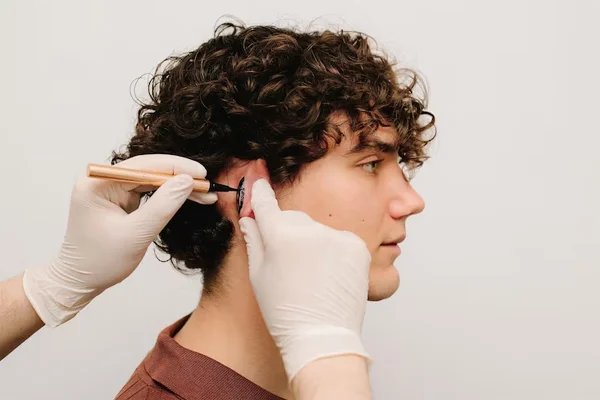
Otoplasty is a cosmetic ear surgery performed to improve the shape, size, position, or proportion of the external ears. Also referred to as ear correction surgery, otoplasty can address concerns such as prominent ears, asymmetry, or an ear shape that appears disproportionate to the face.
The procedure focuses on creating a more balanced relationship between the ears and surrounding facial features while maintaining a natural appearance. Otoplasty In Gurugram is planned according to the individual’s ear structure, aesthetic concerns, and desired outcome.
Otoplasty is a surgical procedure designed to reshape or reposition the external ear. Depending on the concern, the procedure may involve modifying cartilage, adjusting the position of the ear, or creating a more appropriate ear contour.
Prominent ears may occur because of differences in cartilage development or the angle between the ear and the head. In some individuals, one ear may also appear different from the other. Otoplasty can be used to address these concerns through personalised surgical planning.
The objective is not to create an identical ear shape for every patient. Instead, the procedure is planned to achieve proportion, symmetry, and a natural-looking contour.
People may consider ear correction surgery for a variety of aesthetic concerns. Common reasons include:
· Prominent or protruding ears
· Ears that appear too far from the head
· Asymmetry between the ears
· Irregular ear contours
· Certain cartilage-related shape concerns
· Ears that appear disproportionate to the face
· Dissatisfaction with the appearance of the ears
The specific surgical approach depends on the underlying structure and the correction required.
Otoplasty may be considered by individuals who are concerned about the appearance or position of their ears and have realistic expectations from surgery.
A consultation is important before treatment because the doctor needs to evaluate the ear cartilage, skin, symmetry, facial proportions, and the specific concern being addressed.
For children, the timing of surgery is also considered carefully in relation to ear development and individual circumstances. Adults may also undergo otoplasty when they want to correct a longstanding concern or address changes in ear appearance.
Planning is an important part of Otoplasty In Gurugram. The doctor examines the ears from different angles and assesses their relationship with the head and face.
The consultation may focus on:
· Ear size and shape
· Degree of prominence
· Cartilage structure
· Position of the ears
· Symmetry between both sides
· Skin and soft-tissue characteristics
· The patient’s aesthetic expectations
The surgical plan is then customised according to the required correction rather than using a standard technique for every patient.
The exact procedure varies depending on the type and extent of correction required. Otoplasty commonly involves an incision in a carefully selected location, often around the back of the ear, allowing access to the underlying cartilage.
The cartilage may then be reshaped, folded, adjusted, or repositioned according to the treatment plan. In cases where the ears are prominent, the position of the ear may be modified to create a more balanced relationship with the head.
Sutures may be used to maintain the desired cartilage shape and position. The incision is then closed carefully.
The technique used depends on the patient’s anatomy and the specific correction being performed.
Prominent ears are one of the common concerns addressed through otoplasty. The appearance may result from differences in cartilage formation, insufficient development of the natural ear fold, or an increased angle between the ear and the head.
During surgery, the underlying anatomical factors are assessed and corrected as appropriate. The aim is to reduce excessive prominence while preserving the natural contours of the ear.
Perfect symmetry between the two ears is not naturally present in most people. However, noticeable differences in size, shape, or position can sometimes become a cosmetic concern.
Otoplasty may be considered when asymmetry is significant and suitable for surgical correction. Treatment planning takes both ears into account so that the final appearance remains proportionate.
Some swelling, bruising, tenderness, or temporary discomfort may occur following ear surgery. The recovery period varies depending on the extent of correction and the individual healing response.
Patients are generally given postoperative instructions regarding wound care, sleeping position, physical activity, and protection of the ears.
A protective dressing or headband may be recommended in some cases to help protect the treated area during the initial healing period. The doctor will provide specific instructions according to the procedure performed.
Patients should attend scheduled follow-up appointments so that healing can be monitored.
The appearance of the ears changes gradually as swelling settles and the tissues heal. Early postoperative changes should not be considered the final result.
Otoplasty aims to improve the shape and position of the ears while maintaining appropriate proportions with the face. The final appearance depends on the individual anatomy, surgical technique, healing response, and postoperative care.
Realistic expectations are an important part of achieving satisfaction with the procedure.
Otoplasty is intended to create a lasting structural change in the position or shape of the ear. However, individual healing and tissue characteristics can influence the long-term appearance.
Following postoperative instructions and protecting the ears during the healing period are important parts of recovery.
Otoplasty requires detailed assessment of ear anatomy and careful attention to proportion and symmetry. Dr. Mandeep Singh provides cosmetic and aesthetic surgical care at the Centre for Lasers, Cosmetic Surgery and Dermatology.
The treatment approach is based on the individual’s ear structure, cosmetic concern, and desired correction. A detailed consultation allows patients to understand the procedure, expected recovery, possible limitations, and appropriate treatment options before making a decision.
Otoplasty is used to reshape, reposition, or modify the appearance of the external ears. It is commonly considered for prominent ears, asymmetry, or certain structural and contour concerns.
Incisions are carefully placed, commonly behind the ear, where scars can be less noticeable. Scar appearance varies from person to person as healing progresses.
Recovery varies between individuals and depends on the extent of surgery. Swelling and tenderness are common initially and gradually improve during healing.
Yes, when correction is required on both sides, both ears can generally be addressed during the same surgical plan. The exact approach depends on the individual assessment.
Yes. Otoplasty can be performed in adults as well as appropriately selected younger patients. Age, health, ear development, and individual expectations are considered during consultation.
The aim is to improve balance and symmetry rather than create perfectly identical ears. Natural differences between the two sides may remain.
Otoplasty can provide a structured surgical approach for individuals concerned about prominent, asymmetrical, or disproportionate ears. Careful evaluation and personalised planning are essential because ear anatomy varies considerably between individuals.
For Otoplasty In Gurugram, consultation with Dr. Mandeep Singh at the Centre for Lasers, Cosmetic Surgery and Dermatology can help determine the appropriate surgical approach based on your ear structure and aesthetic goals.


