


| Category | Surgical Treatments |
Fat grafting is a cosmetic procedure that uses a person’s own fat to add volume, improve contours, and create a more balanced appearance in selected areas of the body. Also known as fat transfer, the procedure involves removing fat from one area of the body, processing it, and carefully transferring it to another area where additional volume or contour enhancement is desired.
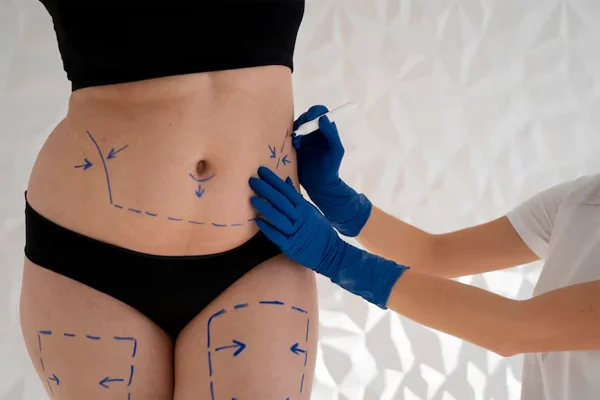
Fat grafting is a technique in which the patient’s own body fat is used as a natural filler. Fat is typically collected from areas where excess deposits are present, such as the abdomen, thighs, flanks, or other suitable areas. After collection, the fat is processed to separate usable fat cells from unwanted components before being strategically placed into the target area.
Unlike synthetic fillers, fat grafting uses the patient’s own tissue. This makes it an option for people who prefer an approach based on their own body tissue for selected cosmetic concerns.
The procedure requires careful assessment because the amount of fat available, the quality of the tissue, the treatment area, and the desired outcome all influence the treatment plan.
Fat grafting can be considered when additional volume or improved contour is desired in a particular area. It may be used for aesthetic enhancement as well as selected contour irregularities.
Common reasons for considering fat grafting include:
The suitability of the procedure depends on individual anatomy and the amount of usable donor fat available.
The procedure generally involves three main stages: fat harvesting, fat processing, and fat transfer.
A suitable donor area is identified during consultation. Small amounts of fat are carefully removed using a liposuction technique. The objective is to collect an adequate amount of viable fat while maintaining appropriate contouring of the donor site.
The collected fat contains different components and therefore needs to be processed before transfer. The harvested material is prepared so that suitable fat cells can be used for grafting.
The prepared fat is carefully introduced into the selected treatment area. Precise placement helps distribute the transferred tissue appropriately and supports a natural-looking contour.
The exact technique and amount of fat required vary according to the treatment area and individual treatment goals.
Fat grafting can be used for different areas depending on the individual’s requirements and clinical assessment. Selected facial areas may benefit from volume restoration where hollowing or loss of fullness is present.
Body contouring applications may also be considered when additional volume or improved proportion is desired.
During consultation, the doctor assesses the treatment area and discusses whether fat transfer is appropriate for the particular concern.
Fat grafting may be considered by adults who have suitable donor fat and realistic expectations regarding the procedure and its results.
A consultation is important to assess:
Not everyone is an appropriate candidate for fat grafting. A personalised assessment helps determine whether the procedure is suitable or whether another approach may provide a more appropriate solution.
At the Centre for Lasers, Cosmetic Surgery and Dermatology, treatment planning focuses on understanding the individual’s aesthetic concerns and determining the most appropriate approach.
The consultation may include an assessment of the donor area and the area where fat will be transferred. The doctor can discuss the expected process, possible limitations, recovery requirements, and the realistic outcome that may be achieved.
Because every individual has different anatomy and fat distribution, the amount of fat required cannot be standardised for every patient.
Recovery depends on the amount of fat harvested, the treatment area, and the extent of the procedure. Swelling, bruising, tenderness, or temporary discomfort may occur following treatment.
Patients are generally advised to follow the postoperative instructions provided by their doctor. These instructions may include guidance regarding activity, wound care, compression where applicable, and protection of the treated areas.
The transferred fat also requires time to settle. The appearance during the early recovery period may therefore differ from the eventual result.
Fat grafting aims to create an improvement in volume and contour while maintaining a natural appearance. Some of the transferred fat may be absorbed by the body over time, meaning that the final result can differ from the initial postoperative appearance.
The outcome depends on several factors, including:
A realistic consultation is therefore an important part of planning the procedure.
One of the important aspects of fat grafting is the ability to place tissue in carefully selected areas rather than simply adding volume uniformly. Appropriate planning and precise placement can help maintain proportionality between the treated area and surrounding structures.
The goal is not simply to increase volume but to create a balanced appearance that complements the patient’s existing features.
Fat grafting requires both careful treatment planning and attention to proportion and contour. Dr. Mandeep Singh provides cosmetic and aesthetic surgical care at the Centre for Lasers, Cosmetic Surgery and Dermatology.
A personalised approach allows the treatment plan to be based on the patient’s anatomy, available donor fat, treatment goals, and expected outcome rather than following a fixed approach for every patient.
Patients can discuss their concerns during consultation and understand the available options before deciding whether fat grafting is appropriate.
No. Fat grafting uses the patient’s own fat, while injectable fillers use specific manufactured substances. Fat transfer involves harvesting, processing, and placing fat into the selected area.
Fat may be collected from areas with suitable deposits, such as the abdomen, thighs, or flanks. The appropriate donor area is determined during the consultation.
Not necessarily. A proportion of transferred fat may be naturally absorbed by the body. The final result depends on individual healing and other factors.
Recovery varies according to the treatment area and extent of the procedure. Swelling and bruising may occur initially, followed by gradual settling of the treated area.
Fat transfer may be considered for selected facial areas where additional volume or correction of hollowing is desired. Suitability depends on individual facial anatomy and treatment goals.
No. Adequate donor fat, overall health, treatment goals, and individual anatomy all need to be assessed before the procedure.
Fat grafting can provide a personalised approach to selected volume and contour concerns by using the patient’s own fat. Proper assessment, realistic expectations, and careful treatment planning are important for achieving a balanced result.
For Fat Grafting In Gurugram, consultation with Dr. Mandeep Singh at the Centre for Lasers, Cosmetic Surgery and Dermatology can help determine whether fat transfer is suitable for your aesthetic concerns and what approach may be appropriate for your individual needs.


