


| Category | Surgical Treatments |
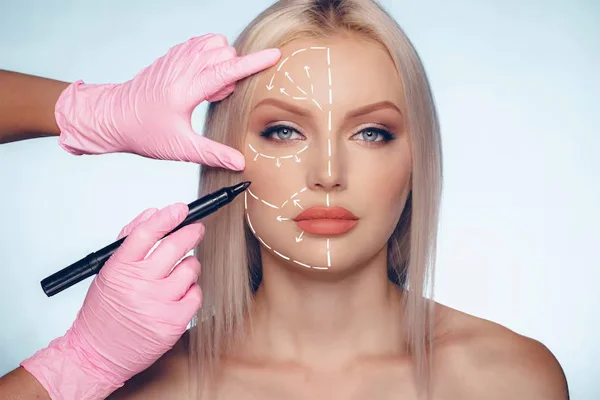
Facelift surgery is a cosmetic surgical procedure designed to address visible signs of facial ageing by improving loose skin, facial laxity, and selected changes in the lower face and neck. With age, the skin gradually loses elasticity and underlying tissues can shift or become less defined. These changes may contribute to sagging cheeks, jowls, deeper folds, and a less defined jawline.
At the Centre for Lasers, Cosmetic Surgery and Dermatology, Dr. Mandeep Singh provides personalised cosmetic surgical consultations and treatment planning. Facelift surgery is planned according to each patient's facial anatomy, degree of skin laxity, tissue characteristics, and aesthetic goals. The objective is to create a refreshed and proportionate appearance while retaining the individual's natural facial features.
Facelift surgery, medically known as rhytidectomy, involves surgical correction of selected age-related changes in the face. Depending on the individual's requirements, the procedure may address loose facial skin and reposition or tighten underlying tissues to improve facial contours.
A facelift is not simply a procedure for removing excess skin. Appropriate treatment planning considers the deeper supporting tissues, skin quality, facial proportions, and areas of laxity. The surgical approach is selected according to the extent and location of the changes being treated.
The aim is to improve signs of facial ageing while avoiding an excessively tight or artificial appearance.
Facelift surgery may be considered by adults who have developed visible facial laxity and are looking for a surgical approach to address age-related changes.
Common concerns include:
A consultation is necessary to determine whether a facelift is appropriate. Not every concern associated with facial ageing requires surgery, and alternative or complementary treatments may be considered depending on the individual's condition.
Ageing affects different parts of the face at different rates. Some people experience more prominent cheek laxity, while others develop jowls or changes around the jawline and neck.
A facelift may be planned to address selected areas such as:
Loss of tissue support and skin elasticity can cause the cheeks to appear less defined. A facelift can address selected laxity and help improve the overall contour of the mid-to-lower face.
Jowls are areas of sagging that develop along the lower border of the face. Depending on the individual anatomy, facelift surgery can improve the appearance of jowls and contribute to a more defined lower facial contour.
Age-related tissue descent can reduce the definition of the jawline. Surgical correction of appropriate tissues can help improve the transition between the face and neck.
Certain facial folds may become more noticeable as the skin and underlying tissues change with age. A facelift can improve selected folds associated with tissue laxity, although it does not eliminate every facial line or wrinkle.
A detailed facial assessment is an important part of facelift planning. Dr. Mandeep Singh evaluates the distribution of skin laxity, facial proportions, tissue characteristics, and the areas that the patient wants to improve.
The consultation may include assessment of:
The treatment plan is then customised according to the patient's anatomy and desired level of correction.
There is no single facelift technique suitable for every patient. The surgical approach depends on the individual's anatomy and the extent of correction required.
Depending on the treatment plan, incisions are carefully positioned around the natural contours of the ear and other appropriate areas. The surgeon can then address the relevant facial tissues and excess skin.
The extent of surgery may vary considerably between patients. Some individuals require correction primarily around the lower face, while others may benefit from treatment that also addresses the neck.
The technique is selected after a detailed assessment rather than simply according to age.
Changes in the lower face are often associated with changes in the neck. Loose skin and reduced tissue definition around the jaw and neck can influence the overall facial appearance.
When appropriate, facelift surgery may be planned alongside treatment of the neck to create a more harmonious transition between the lower face and neck. Whether combined treatment is appropriate depends on the individual's anatomy and degree of laxity.
A personalised consultation helps determine the areas that need to be addressed.
The specific steps of facelift surgery depend on the selected surgical approach. Incisions are planned carefully to provide access to the relevant tissues while considering the location of postoperative scars.
During surgery, the appropriate facial tissues are repositioned or tightened, and excess skin may be addressed where necessary. The skin is then redraped over the underlying structures to create an improved facial contour.
The procedure is performed with attention to tissue handling, facial proportions, and preservation of natural-looking contours.
Anaesthesia and other surgical details depend on the extent of the procedure and the patient's individual requirements.
Facelift surgery requires a period of recovery while the tissues heal. Swelling, bruising, tightness, and temporary changes in sensation can occur during the initial postoperative period.
Patients receive specific instructions regarding wound care, medications, physical activity, sleeping position, and follow-up appointments. Strenuous activities are generally restricted during the early recovery period as advised by the surgeon.
The visible appearance of the face changes gradually as postoperative swelling settles. It is therefore important not to judge the final result during the initial healing phase.
Facelift surgery can improve selected signs of facial ageing associated with skin and tissue laxity. As swelling reduces and the tissues settle, the contours of the face become more apparent.
The outcome varies according to the individual's anatomy, skin quality, extent of ageing, surgical technique, and healing response.
A facelift does not stop future ageing. However, appropriately planned surgery can provide a long-lasting improvement in facial contours. Maintaining healthy skin habits and protecting the skin from excessive sun exposure can support the appearance of the results over time.
A facelift primarily addresses facial laxity and selected contour changes. It does not necessarily correct every sign of ageing.
For example, fine lines, pigmentation, skin texture changes, or volume loss may require different treatments. In selected patients, facelift surgery may be combined with other cosmetic procedures, but the appropriate treatment depends on the individual's concerns and assessment.
A consultation helps distinguish between concerns that can be addressed surgically and those that may require other approaches.
Facelift surgery requires careful understanding of facial anatomy, skin laxity, tissue positioning, and facial proportions. Dr. Mandeep Singh focuses on individualised assessment and treatment planning based on the patient's specific concerns.
At the Centre for Lasers, Cosmetic Surgery and Dermatology, patients can discuss their facial ageing concerns and understand the surgical options that may be appropriate for their anatomy.
The approach focuses on improving facial contours while preserving the characteristics that make each patient's face unique.
The primary purpose of facelift surgery is to improve selected age-related changes caused by facial skin and tissue laxity. It can address concerns such as sagging skin, jowls, and reduced definition of the lower face.
No. A facelift primarily addresses sagging and laxity rather than every type of wrinkle or skin-quality concern. Fine lines, pigmentation, and texture changes may require other treatments.
Yes. When reduced jawline definition is related to facial laxity and jowling, facelift surgery may improve the contour and definition of the lower face.
The outcome depends on the surgical plan, anatomy, tissue characteristics, and healing. Properly planned surgery aims to improve facial contours while maintaining natural facial proportions rather than creating an excessively tight appearance.
Recovery varies between individuals and depends on the extent of surgery. Swelling and bruising are common initially and gradually decrease as healing progresses. Specific recovery instructions are provided according to the procedure performed.
No. A facelift does not stop the natural ageing process. It can, however, provide a long-lasting improvement in selected signs of facial ageing.
Facelift surgery should be planned around the patient's individual facial structure rather than using a standard approach. Dr. Mandeep Singh at the Centre for Lasers, Cosmetic Surgery and Dermatology provides personalised evaluation and discusses suitable surgical options according to facial laxity, tissue characteristics, and aesthetic goals.
A consultation can help determine whether Facelift Surgery In Gurugram is appropriate and explain the expected procedure, recovery, limitations, and potential outcomes.


