


| Category | Surgical Treatments |
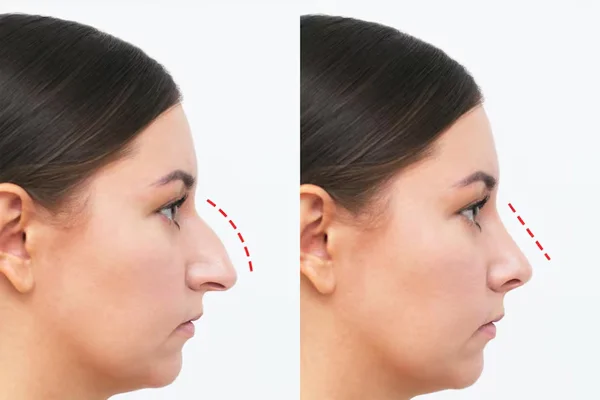
Rhinoplasty is a cosmetic surgical procedure performed to improve the shape, size, proportion, or overall appearance of the nose. It may be considered for individuals who are concerned about the appearance of their nose or want to achieve better facial balance. Depending on the individual’s anatomy and treatment goals, rhinoplasty can address concerns involving the nasal bridge, tip, nostrils, or overall nasal proportions.
At the Centre for Lasers, Cosmetic Surgery and Dermatology, Dr. Mandeep Singh provides personalised cosmetic surgical consultations and treatment planning. Rhinoplasty requires careful assessment because the nose is a central facial feature and even subtle changes can influence the overall appearance of the face. The treatment approach is therefore planned according to facial proportions, nasal structure, skin characteristics, and the patient's expectations.
Rhinoplasty, commonly referred to as nose reshaping surgery, involves surgically modifying the structures of the nose to achieve a desired change in appearance. The procedure may involve the nasal bones, cartilage, soft tissues, or a combination of these structures.
Rhinoplasty can be performed for different aesthetic concerns, including an uneven nasal shape, a prominent nasal hump, a broad nose, an asymmetrical nose, or a nasal tip that appears too wide, rounded, drooping, or disproportionate.
The goal is not simply to create a smaller nose. A well-planned rhinoplasty aims to create harmony between the nose and other facial features while maintaining an appropriate and natural-looking appearance.
Rhinoplasty may be considered by adults who are unhappy with specific aspects of their nasal appearance and have realistic expectations regarding the outcome.
Common concerns include:
A detailed consultation is necessary before surgery to determine whether rhinoplasty is suitable and what type of correction may be appropriate.
The nose plays an important role in facial proportions. A change that looks appropriate on one face may not produce the same effect on another. For this reason, rhinoplasty should be planned according to the individual's overall facial structure rather than based on a standard nose shape.
Dr. Mandeep Singh assesses the nose in relation to the forehead, cheeks, lips, chin, and other facial features while discussing the patient's concerns. The objective is to develop a treatment plan that improves the appearance of the nose while maintaining facial harmony.
Rhinoplasty can be customised to address different structural and aesthetic concerns.
A visible prominence on the bridge of the nose can affect the side profile. Rhinoplasty can be planned to modify the nasal bridge and create a smoother profile where appropriate.
The tip of the nose contributes significantly to the overall appearance of the nose. Surgical techniques can be used to alter the shape, projection, definition, or position of the nasal tip depending on the individual's anatomy.
A nose that appears broad in relation to the rest of the face may be addressed through carefully planned structural changes. The appropriate approach depends on the width of the nasal bones, cartilage, and nostrils.
Minor asymmetry is common in facial structures. When significant asymmetry is present, rhinoplasty may be considered to improve the overall balance and appearance of the nose.
The surgical approach depends on the patient's anatomy and the corrections required.
Open rhinoplasty involves a small incision in the columella, the tissue separating the nostrils, along with incisions inside the nose. This approach provides greater visibility of the underlying nasal structures and may be useful for certain types of structural reshaping.
In closed rhinoplasty, the incisions are made inside the nose. The technique may be appropriate for selected patients where the required changes can be performed through an internal approach.
The choice between open and closed rhinoplasty is based on the individual's nasal structure, the planned corrections, and the surgeon's assessment.
A consultation is an important step before undergoing rhinoplasty. The nose is evaluated from different angles, including the front, side, and other facial views. The surgeon also considers the relationship between nasal proportions and the rest of the face.
During the consultation, patients can discuss:
Clear communication is essential because the desired result needs to be realistic and compatible with the patient's anatomy.
The exact surgical technique varies according to the corrections required. Depending on the treatment plan, rhinoplasty may involve reshaping nasal cartilage, modifying the nasal bridge, refining the tip, adjusting nasal width, or making other structural changes.
The surgeon works carefully with the existing nasal framework to create the planned changes. Tissue preservation and structural stability are important considerations when planning the procedure.
Anaesthesia and other surgical details are determined according to the individual procedure and clinical requirements.
Rhinoplasty requires a period of healing because the tissues and structures of the nose need time to settle after surgery. Swelling and bruising may occur during the early recovery period, particularly around the nose and eyes.
Patients are provided with postoperative instructions regarding wound care, medications, physical activity, sleeping position, and protection of the nose. Avoiding unnecessary pressure or trauma to the nose during the healing period is important.
The initial appearance of the nose may not represent the final result because postoperative swelling can take time to resolve. Subtle changes may continue as the tissues heal and settle.
Rhinoplasty results develop gradually. As postoperative swelling decreases, the shape and proportions of the nose become more apparent.
The outcome depends on several factors, including the original nasal anatomy, the surgical technique, tissue characteristics, healing response, and the extent of correction required.
The aim of treatment is to create an improvement that complements the individual's face rather than producing an overly altered or artificial appearance.
Rhinoplasty requires detailed evaluation of nasal anatomy as well as an understanding of facial aesthetics. Dr. Mandeep Singh focuses on individualised assessment and treatment planning based on the patient's facial proportions and specific concerns.
At the Centre for Lasers, Cosmetic Surgery and Dermatology, patients can discuss their expectations and understand the possible surgical approaches before making a decision about rhinoplasty.
A personalised approach helps ensure that the planned changes are appropriate for the individual's anatomy and aesthetic goals.
No. Rhinoplasty is a nose reshaping procedure and does not necessarily involve reducing the size of the nose. Depending on the patient's concerns, the procedure may involve reshaping the bridge, refining the tip, modifying width, improving proportions, or addressing asymmetry.
Yes. Rhinoplasty can be planned to address the shape, definition, projection, or position of the nasal tip when appropriate.
Not necessarily. Suitability depends on factors such as nasal anatomy, overall health, skin characteristics, expectations, and the specific changes desired. A consultation is required to determine whether the procedure is appropriate.
The recovery period varies from person to person. Swelling and bruising are common during the early stages, while the nose continues to settle over a longer period. The surgeon provides individual guidance regarding activity and follow-up.
The possibility of a visible scar depends on the surgical approach. Closed rhinoplasty uses internal incisions, while open rhinoplasty includes a small external incision that generally becomes less noticeable as it heals.
Yes. Because the nose is centrally positioned on the face, carefully planned changes can improve its relationship with surrounding facial features and overall facial balance.
Choosing rhinoplasty begins with understanding what can realistically be achieved based on individual nasal anatomy. Dr. Mandeep Singh at the Centre for Lasers, Cosmetic Surgery and Dermatology provides personalised evaluation and discusses suitable surgical options according to each patient's concerns and aesthetic goals.
A consultation can help you understand whether Rhinoplasty In Gurugram is suitable for you and what approach may be appropriate for achieving a balanced, natural-looking result.


